Shoulder Injuries in GAA
The Science Behind Shoulder Injuries
The shoulder in our human body comprises of two main bones: the end of bone in the upper arm called humerus and the shoulder blade also known as scapula. The end of the upper arm bone (humerus) is in the round and fits into a socket of the shoulder blade.
In order to keep your shoulders flexible and pain free it is crucial to understand how to prevent common shoulder injuries.
Shoulder injuries occur often to athletes and young people happens most often in young people and athletes. It happens when the muscles and ligaments that held it together are over stretched thus the shoulder gets uncomfortable. Such conditions are usually a normal part of an athlete’s journey.
Shoulder injuries faced by athletes are mainly caused by certain movements like tackling or pitching, for example. These movements put excessive pressure on the shoulder, stretching ligaments over time. This can result in an immediate feeling of pain or at times feeling uncomfortable or weakness in the arm. The solution lies in rest, physical therapy, or surgery in extreme cases.
Shoulder Injuries in GAA
The shoulder is the most mobile joint in the body, sacrificing stability for mobility.
It is reported that shoulder injuries account for around 19% of all injuries sustained during Gaelic Football. Unfortunately, they have a high recurrence rate particularly if you sustained a dislocation, with re-injury rates ranging from 29%-90%. This number is on the higher end if you are younger.
There are different type of injuries in the shoulder when it dislocates. The most common ones are when the lining of the socket gets injured (labrum injury); when there’s a chipped bone in the socket (Bankart lesion) or when there’s a chipped bone at the ball of the shoulder (Hill-Sachs lesion).
It is important, therefore, to decrease the likelihood of sustaining a shoulder injury in the first place. One way we can do this is addressing some of the possible risk factors leading to injury. Some of ways we can do this is assessing shoulder range of motion and strength (in particular internal rotation and external/internal rotation strength). If there are any deficits in these we can look to improve the mobility and strength in these areas.
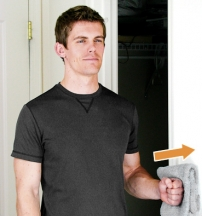
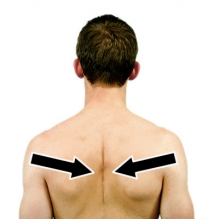
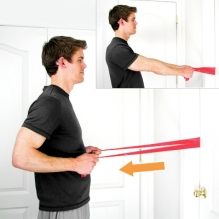
When returning from these injuries it is important to work and strengthen the shoulder in the overhead position, particularly if you are returning to overhead sports such as Gaelic Football. Check out our Instagram page mirandamoranphysio for some exercise ideas.
Recent Comments